
The Hidden Dangers of Energy Drinks for Teens: Understanding the Health Risks of Energy Drinks
Energy drinks have become a popular choice for many young people looking for a quick boost of energy. Their flashy packaging and promises of increased alertness can be very appealing, especially during busy school days or late-night study sessions. But beneath the surface, these drinks carry hidden risks that are important to understand. Today, I want to share some insights about the health risks of energy drinks and why it’s crucial to be cautious, especially for teenagers.
What Are Energy Drinks and Why Are They Popular?
Energy drinks are beverages that contain high levels of caffeine, sugar, and other stimulants like taurine and guarana. They are marketed as products that can improve concentration, stamina, and physical performance. For teens juggling schoolwork, sports, and social life, the idea of a quick energy boost can seem like a lifesaver.
However, the reality is more complex. These drinks are not just sugary sodas; they are powerful stimulants that affect the body in significant ways. The combination of caffeine and other ingredients can lead to increased heart rate, high blood pressure, and even anxiety or sleep problems.

Energy drinks often contain high caffeine and sugar levels.
The Health Risks of Energy Drinks for Teens
The health risks of energy drinks are especially concerning for teenagers. Their bodies and brains are still developing, making them more vulnerable to the effects of stimulants. Here are some of the key risks:
Heart Problems: Energy drinks can cause irregular heartbeats and increase blood pressure. For teens with undiagnosed heart conditions, this can be dangerous.
Sleep Disruption: The caffeine in energy drinks can interfere with sleep patterns, leading to fatigue and difficulty concentrating during the day.
Mental Health Effects: High caffeine intake can increase feelings of anxiety, nervousness, and even depression in some cases.
Addiction and Dependence: Regular consumption can lead to caffeine dependence, causing withdrawal symptoms like headaches and irritability.
Risky Behaviors: Some studies suggest that teens who consume energy drinks are more likely to engage in risky behaviors such as substance use or unsafe driving.
It’s important to remember that these risks are not just theoretical. There have been cases where excessive energy drink consumption has led to hospitalizations and serious health issues.
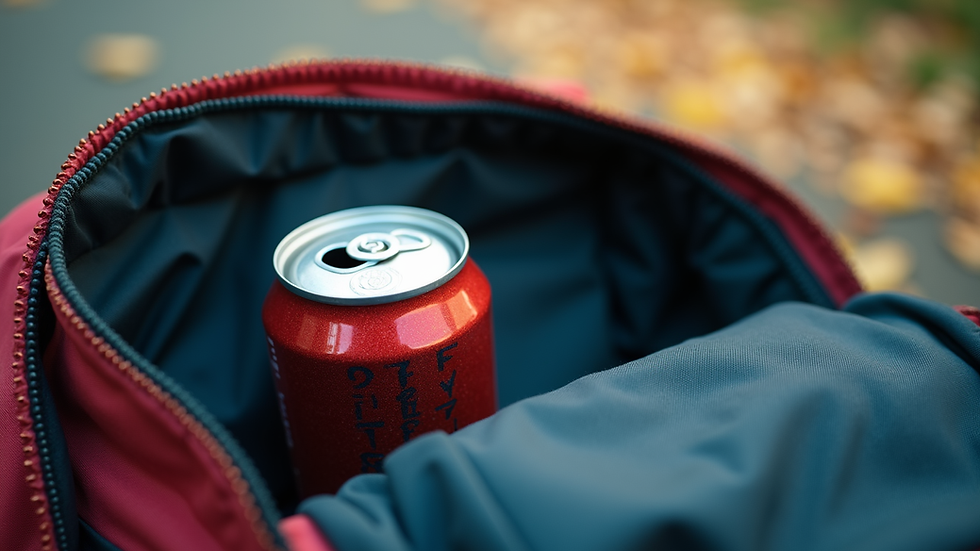
Energy drinks are often carried by students for quick energy boosts.
Is Caffeine Ok for a 14 Year Old?
Many parents and educators ask whether caffeine is safe for younger teens, such as 14-year-olds. The answer is not straightforward. While small amounts of caffeine found in tea or chocolate are generally considered safe, energy drinks contain much higher doses.
Health experts recommend that teenagers limit their caffeine intake to no more than 100 mg per day. To put this in perspective, a typical energy drink can contain anywhere from 80 to 300 mg of caffeine in a single serving. This means that just one energy drink can exceed the recommended daily limit for a 14-year-old.
Excessive caffeine can cause:
Jitters and restlessness
Upset stomach
Increased heart rate
Trouble sleeping
Because teens are still growing, their bodies process caffeine differently than adults. This makes it even more important to monitor and limit their intake.
How to Talk About Energy Drinks and Make Healthy Choices
Talking about the dangers of energy drinks for teenagers can feel challenging, but it’s an important conversation. Here are some tips to help guide these discussions:
Be Open and Non-Judgmental: Encourage honest conversations without blaming or scolding. Teens are more likely to listen when they feel respected.
Share Facts and Stories: Use clear, simple information about the health risks and share real-life examples if possible.
Offer Alternatives: Suggest healthier ways to boost energy, such as drinking water, eating balanced meals, getting enough sleep, and taking short breaks during study sessions.
Set a Good Example: Adults can model healthy habits by limiting their own caffeine intake and choosing nutritious snacks.
Encourage Reading Labels: Teach teens to check the caffeine content on drink labels and understand what they are consuming.
By empowering young people with knowledge and support, we can help them make choices that protect their health and well-being.
Supporting a Healthy Future Together
Understanding the hidden dangers of energy drinks is a step toward creating a healthier environment for young people. It’s not about fear but about awareness and care. When we know the facts, we can make better decisions and support each other in staying safe.
If you or someone you know is curious about the dangers of energy drinks for teenagers, remember that help and information are available. Together, we can build a future where young people thrive without relying on risky substances.
Let’s keep the conversation going and continue to encourage healthy habits that last a lifetime. Your energy and potential are worth protecting.
Thank you for reading. Stay informed, stay healthy, and take good care of yourself.


Comments